
Drone mosquito control is an emerging vector-borne disease control technology. By spraying insecticides, drones can rapidly and efficiently cover large target areas. It has significant advantages in cutting off the transmission routes of vector-borne infectious diseases such as chikungunya and dengue fever.
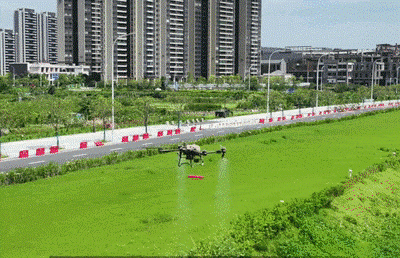
Under the control of professionals, agricultural drones, accompanied by the roar of their propellers, evenly spray mosquito repellent on lush alleyways and uninhabited rooftops.
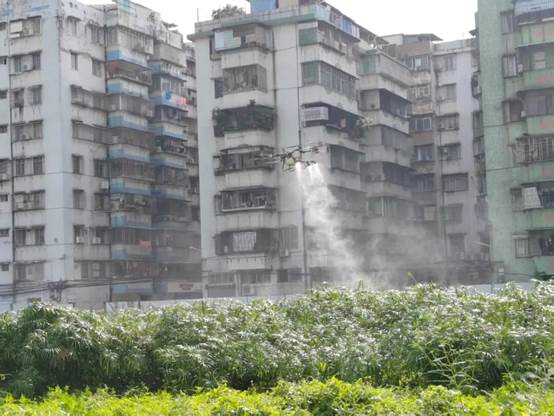
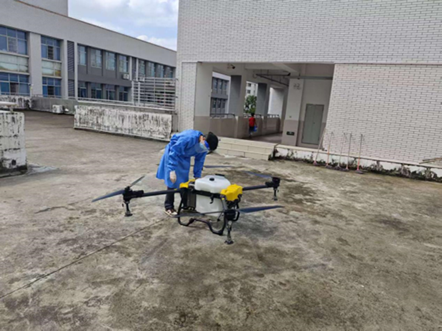
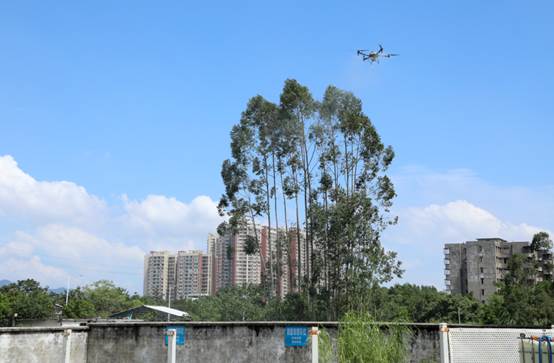
A large-scale drone-based pest control operation was carried out in a certain area. Reporters witnessed technicians preparing the drones for takeoff. With a series of roars, large drones equipped with intelligent spraying systems took off, precisely spraying pesticides along roads and green areas.
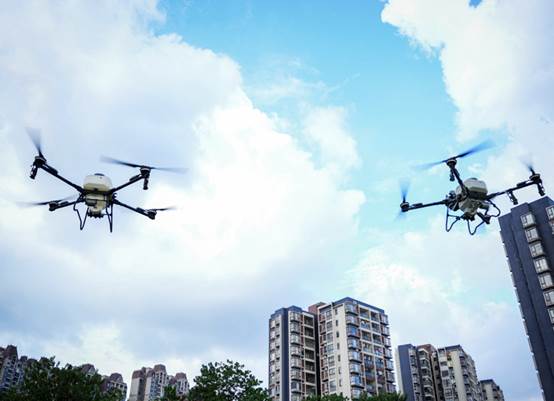
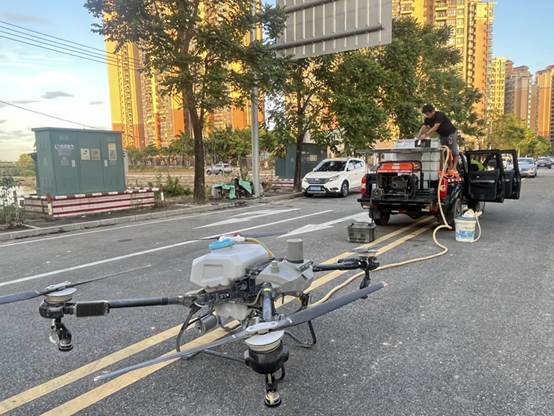
Technicians strictly followed procedures to debug equipment and refill pesticides before the drones took off. This operation used two drones, each equipped with a 75L large-capacity pesticide tank, capable of precise autonomous flight using pre-programmed routes. According to statistics, this operation involved eight aerial spraying operations, covering a total area of approximately 500 acres.
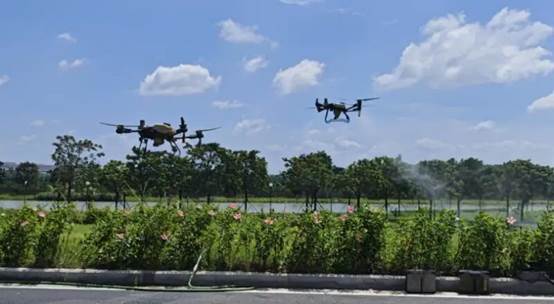
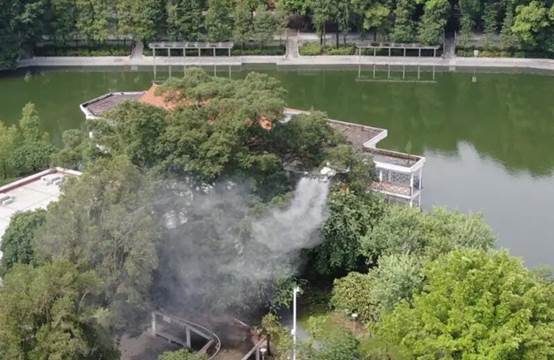
Staff operated large drones to precisely target key areas such as tree canopies and grassy areas for mosquito control. The use of drones for aerial spraying in areas difficult to reach using traditional methods significantly improved both efficiency and coverage. A combined aerial and ground-based spraying strategy was employed, utilizing large drones for precise spraying in open areas and concentrated spraying in areas prone to mosquito breeding and high density, such as parks, public green spaces, and areas around farmers’ markets.
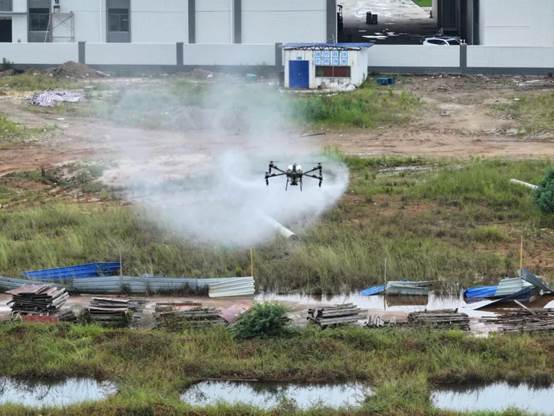
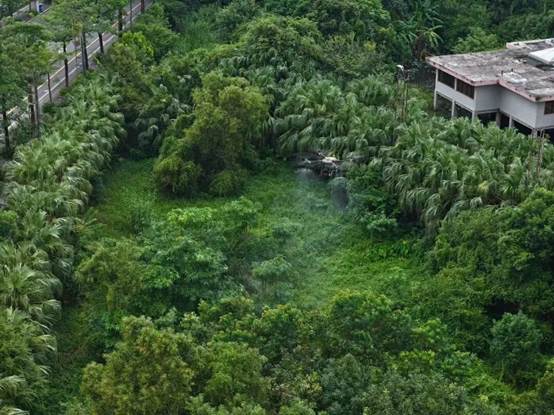
On open ground, drones slowly ascended, evenly distributing environmentally friendly mosquito repellent to trees, lawns, and surrounding green areas. Now, drones precisely spray mosquito repellent mist using a “high-altitude bombing” method, improving control effectiveness while avoiding the risk of drug inhalation that can occur with manual spraying. Combined with traditional community disinfection measures, this forms a technologically advanced, multi-dimensional prevention and control system.
Staff conducted a detailed survey beforehand, marking key areas with high mosquito infestations and planning the drone’s flight path and operating altitude. The pest control personnel strictly followed technical specifications, scientifically mixing and applying pesticides, focusing on precise application to mosquito habitats such as corners, crevices, bushes, and drain openings. This ensured significant pest control while minimizing the impact on residents’ lives and the environment.
After drone spraying, people should wash their hands with clean water promptly after touching flowers and plants in public green areas to avoid potential harm from pesticide residues.
Leave a Reply